
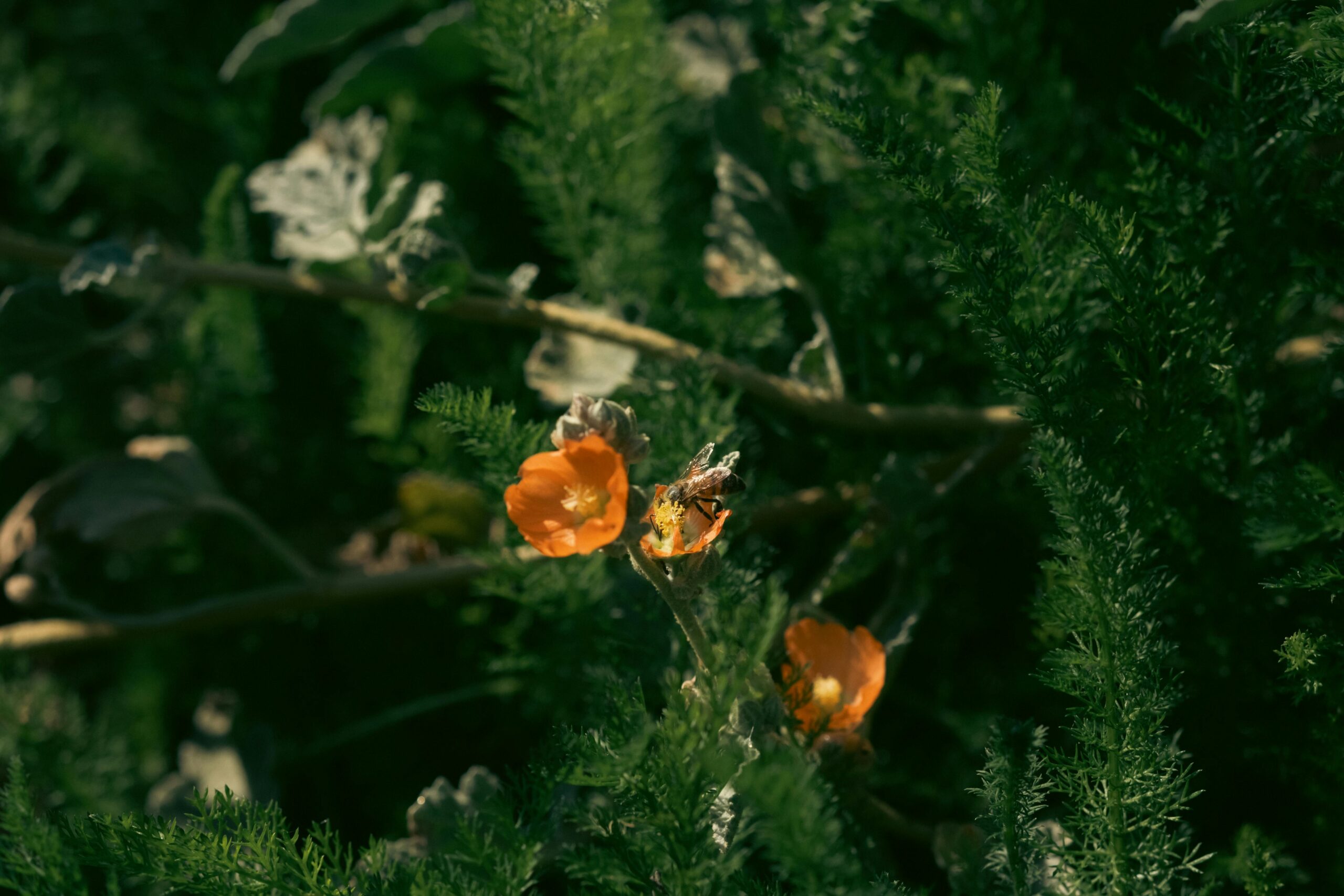
Develop green habits
switching off lights, using refillable bottles, upcycling crafts.

Gain eco-literacy
Understanding climate science, renewable energy basics and biodiversity.
Influence family behaviors
Turning homes into mini carbon-neutral hubs.

Lead eco-clubs and green projects, showcasing project management and teamwork skills.
Excel in STEM subjects—applying real-world sustainability challenges to physics, chemistry and geography.

Prepare for GCSE and A-Level options in Environmental Science, Renewable Energy Technology and Circular Economy studies.

Eco-Schools Green Flag Award, boosting Ofsted reports and local press coverage.

Access to sustainability grants from trusts and local councils to retrofit LED lighting, smart meters and solar panels.

A surge in applications—parents actively seek out institutions with a proven environmental curriculum and carbon-neutral roadmap.